
When you had three trucks, the schedule lived in your head and it worked. You knew where everyone was, which customer was difficult, and which invoice still hadn't cleared. That wasn't a system. That was you — being the system.
At ten trucks, the same approach turns the office into a war room. And the gap between what you remember and what actually needs to happen has a price. We call it the Human Dependency Tax: the cost of every process that depends on a person remembering to do it.
Where the tax hides
It rarely shows up as a single line item. It's distributed across a hundred small failures that each feel like someone's fault:
- The admin spends twenty hours a week relaying gate codes, addresses, and “where am I going next?” by text.
- A tech forgets the before/after photos that would have protected you in a dispute.
- An invoice sits uncollected for six weeks because following up depended on someone remembering to follow up.
None of these are character flaws. People get tired, distracted, and busy. That's not a hiring problem you can fix with a better employee — it's a structural cost you keep paying because the work depends on memory instead of a system.
“Revenue doesn't scale a business. Systems do. Everything that depends on a person remembering is a tax you pay forever.”
— Anthony, Founder
Putting a number on it
The tax compounds. With three trucks you can hold the chaos in your head. Add a fourth and a fifth, and the number of things that must be remembered doesn't grow linearly — it grows with every handoff between office and field. That's why owners who “just add trucks” often find profit flat or falling even as revenue climbs.
A rough audit: take the hours your office spends chasing information, multiply by a loaded labor rate, add the leads you lost to slow responses, and add the receivables aging past 30 days. For a typical $2M home-service operation, that number lands between $50,000 and $100,000 a year. It is almost always larger than the owner guesses.
You don't lower the tax by working harder or hiring better. You remove it by encoding the process once — into a system that doesn't get tired, doesn't forget, and doesn't quit. Memory becomes infrastructure.
Encode it once
The point of a custom operating system isn't software for its own sake. It's converting the things you currently hold in your head into rules the business follows on its own: the closest truck gets dispatched, the customer gets a tracking link, the job can't close without photos, the invoice fires the moment the work is done.
Do that, and the Human Dependency Tax stops being a recurring expense. You pay to build the system once, and the business stops paying for your memory every single day.
The takeaways
- Memory is not a system — it's a recurring, uncapped expense.
- The tax compounds with every truck you add.
- Encoding a process once removes the tax permanently.
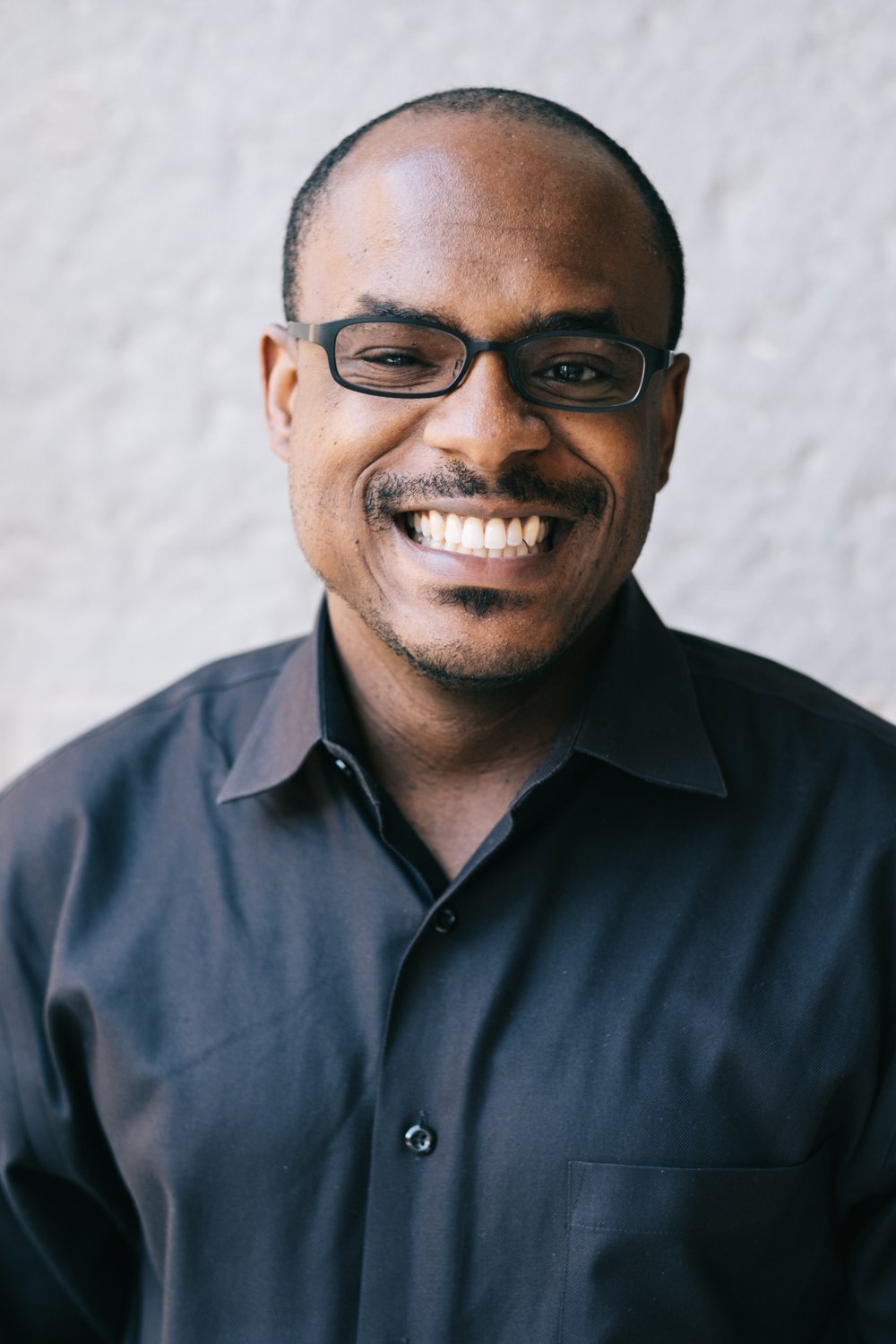
Ex-Microsoft operations and fractional COO for $5M+ field service operations. He writes about the systems that let trade companies scale without the owner holding everything together by hand.

See what your whiteboard is costing you.
Create a free OpsVault account and run your own numbers through the Live Bleed Calculator — no credit card required.